

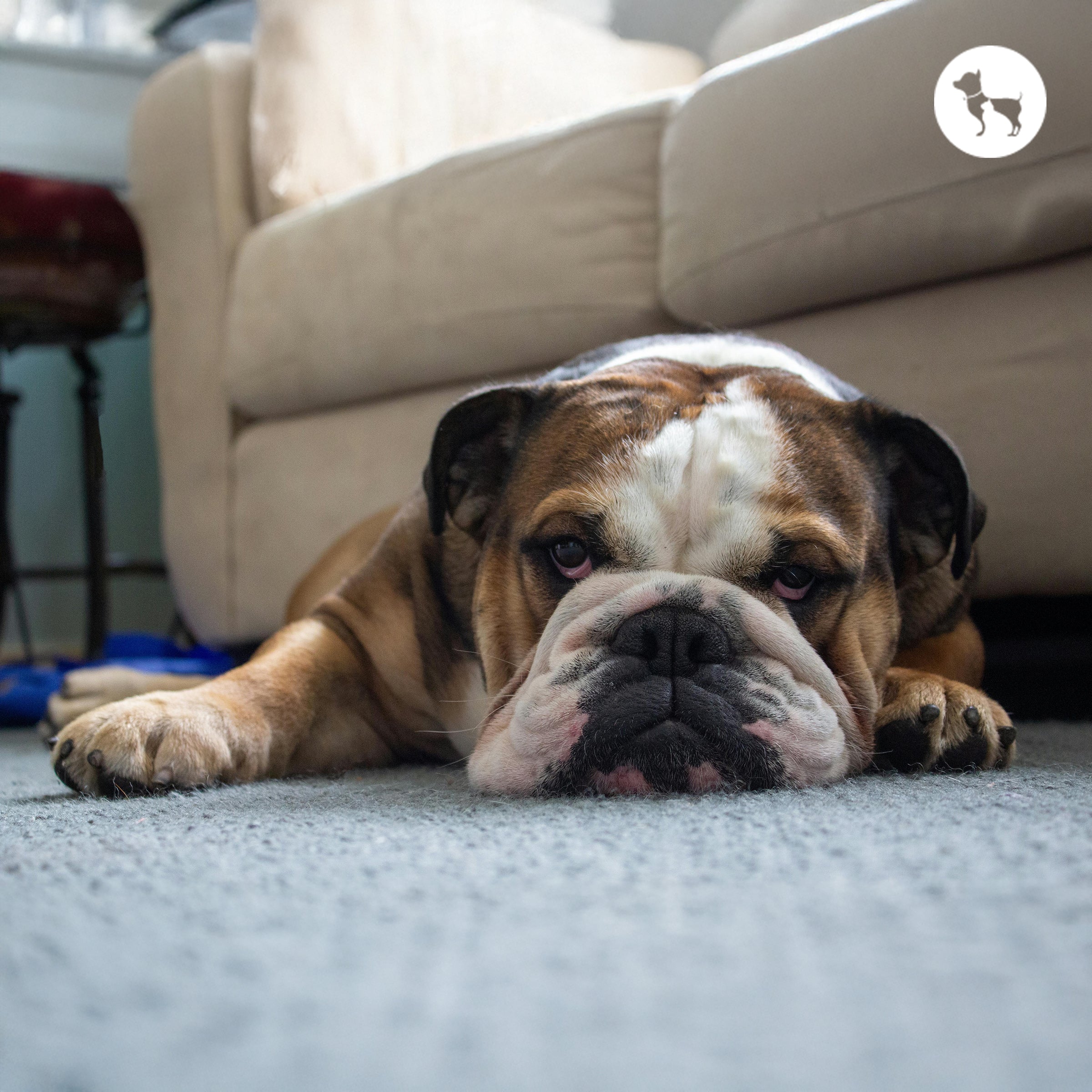
For many dogs, their humans are their entire world. So when you step out, even for a short while, it can feel overwhelming for them. While some dogs settle down and nap until you return, others experience intense stress when left alone. This isn’t just “bad behaviour” or attention-seeking, it’s often a sign of separation anxiety.
Separation anxiety is a common yet misunderstood condition in dogs. It can affect puppies, adult dogs, and even well-trained pets who’ve never had issues before. Recognising the signs early and understanding the reasons behind them can help you support your dog in a way that feels safe, reassuring, and effective.
What is Separation Anxiety in Dogs?
Separation anxiety is a stress response that occurs when a dog becomes distressed due to being left alone or separated from their primary caregiver. It goes beyond occasional whining or mild restlessness; it’s a deeper emotional reaction that can impact your dog’s mental and physical well-being.
Dogs experiencing separation anxiety may struggle to self-soothe, making it difficult for them to relax until their human returns.
Common Signs of Separation Anxiety

Dogs express anxiety in different ways, but there are some clear behavioural patterns to watch for:
-
Excessive barking or howling shortly after you leave
-
Destructive behaviour like chewing furniture, doors, or cushions
-
Pacing or restlessness, often in repetitive patterns
-
Scratching at doors or windows in an attempt to escape
-
Accidents indoors, even if they’re otherwise house-trained
-
Drooling or panting excessively when left alone
What Causes Separation Anxiety?

There isn’t always a single reason behind separation anxiety. It often develops due to a combination of emotional and environmental factors:
-
Sudden Changes in Routine: Dogs thrive on consistency. Changes like a new work schedule, longer hours away from home, or frequent travel can make them feel unsettled.
-
Moving to a New Home: A new environment with unfamiliar smells and sounds can increase insecurity, especially if your dog is still adjusting.
-
Changes in Family Structure: The absence of a family member, a new pet, or even a new baby can shift your dog’s sense of stability.
-
Past Experiences: Dogs who have been abandoned, rehomed, or spent time in shelters may be more prone to separation-related stress.
-
Over-Dependence: If a dog is rarely left alone or is constantly given attention, they may struggle to cope when they suddenly have to be by themselves.
Why is it important to Address Early?
Ignoring separation anxiety can make it worse over time. What starts as mild distress can escalate into more intense behaviours, increasing stress for both the dog and the pet parent.
Chronic anxiety can also affect your dog’s health, leading to reduced appetite, fatigue, or even weakened immunity. Addressing it early helps build your dog’s confidence and creates a calmer home environment.
How to Help a Dog with Separation Anxiety
Supporting a dog through separation anxiety takes patience, consistency, and empathy. The goal is to help them feel safe and secure, even when you’re not around.
-
Create Positive Associations with Alone Time
Start by leaving your dog alone for short periods and gradually increase the duration. Pair your absence with something positive, like a favourite toy or treat, so they begin to associate alone time with comfort.
-
Build a Predictable Routine
Feeding, walks, playtime, and rest should follow a consistent schedule. Predictability helps reduce uncertainty and builds a sense of security.
-
Avoid Overly Emotional Departures and Returns
Keeping goodbyes and greetings calm prevents reinforcing anxiety. Dramatic exits can make your absence feel like a big event.
-
Provide Mental Stimulation
Interactive toys, puzzle feeders, and safe chew options can keep your dog engaged and distracted while you’re away.
-
Design a Safe, Comfortable Space
Create a cosy area with their bed, toys, and familiar scents. This becomes their safe zone when you’re not home.
-
Encourage Independence
Teach your dog to spend time alone even when you’re at home. Simple habits like not following you everywhere can help build confidence.
-
Consider Professional Help if Needed
In severe cases, a vet or animal behaviourist can guide you with tailored strategies or treatment plans.
What Not to Do?
When dealing with separation anxiety, certain reactions can unintentionally make things worse:
-
Avoid punishing your dog for destructive behaviour; it stems from anxiety, not disobedience
-
Don’t suddenly leave them alone for long hours without preparation
-
Avoid reinforcing clingy behaviour by constantly giving attention
Every dog deserves to feel safe and secure, even when their favourite human isn’t around. Separation anxiety can feel challenging, but with the right approach, it’s something you can gently work through together.
At HUFT, the focus is on supporting pet parents with thoughtful solutions that make everyday care easier. From comforting essentials to engaging toys and cosy spaces, everything is designed to help your dog feel more at ease, whether you’re at home or away.
Because when your dog feels calm and secure, it brings a sense of balance and happiness to your entire home!