

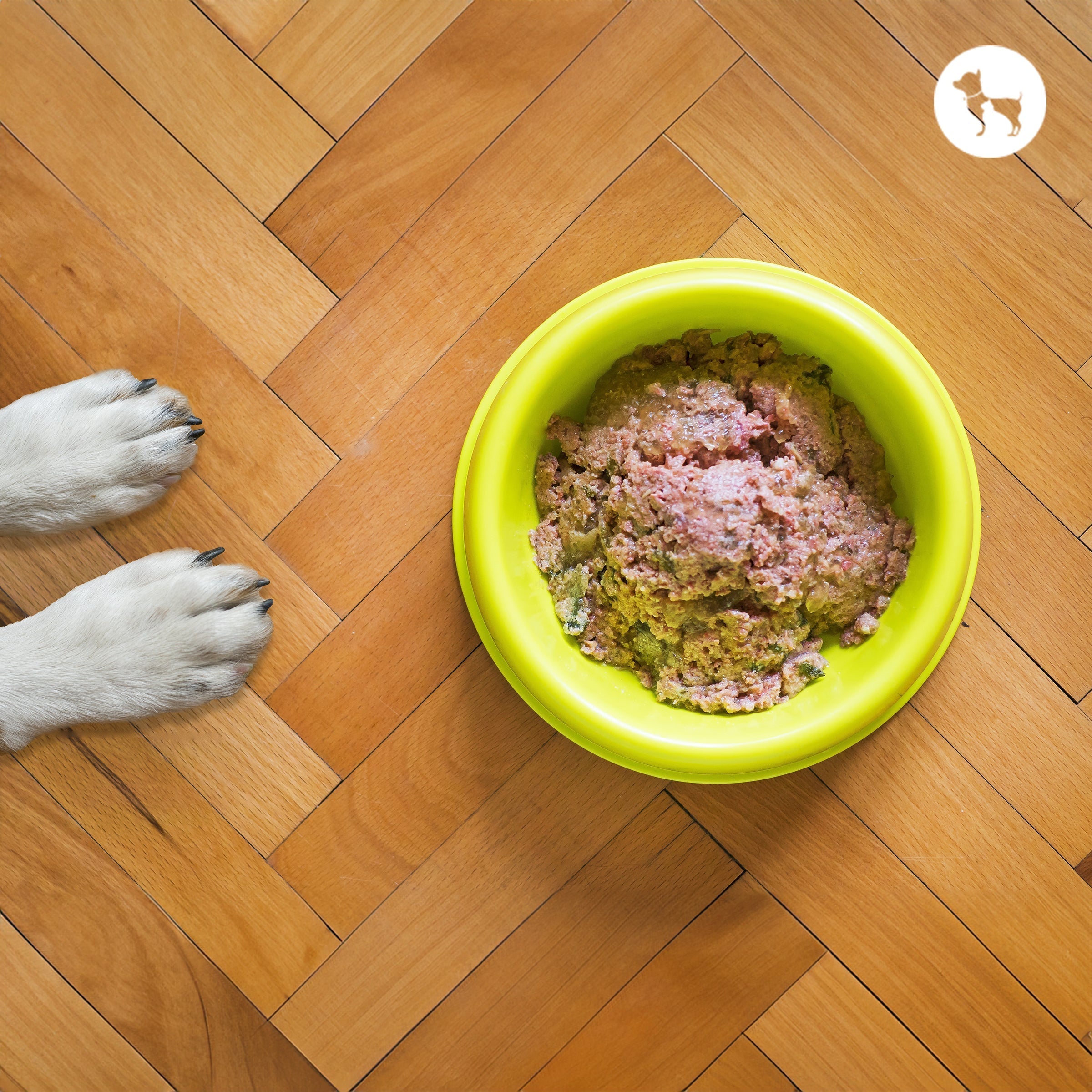
Chronic loose stools, recurring skin flare-ups, and a dog who consistently vomits after meals are signs that something in the diet isn’t agreeing with them. Food allergies and digestive sensitivities in dogs are more common than most pet parents realise, and they often go unaddressed for months because the symptoms are easy to attribute to other causes.
Wet dog food plays a specific role in managing these conditions. The higher moisture content supports digestive transit and kidney function. Simpler ingredient lists reduce the number of potential triggers. And for dogs with reduced appetites due to chronic sensitivity, a genuinely common side effect, the aroma and palatability of wet food encourages eating when dry dog food doesn’t.
Understanding What You’re Managing
Dietary sensitivities in dogs fall into two distinct categories, and the distinction shapes which food is appropriate.
-
Food allergies involve an immune response, typically to a specific protein the dog has been exposed to repeatedly, most commonly chicken, beef, dairy, or wheat. The immune system misidentifies the protein as a threat, causing inflammation that presents as skin itching, coat thinning, ear infections, and gastrointestinal upset.
-
Food intolerances are digestive rather than immune; the gut struggles to process a specific ingredient, producing symptoms like loose stools, bloating, and vomiting without a systemic inflammatory response.
Both require dietary management, but allergies, particularly severe ones, often need hydrolysed protein diets where the protein molecules are broken down so small that the immune system doesn’t recognise them. Intolerances frequently respond to simpler, limited-ingredient formulas without needing therapeutic intervention.
Wet Dog Food Options: Matched to the Right Situation

Dogs with sensitive digestion or food allergies often need more than just “gentle” food labels. Some wet foods are made to manage specific medical conditions, while others focus on simple, wholesome ingredients that are easier to digest. Understanding your dog’s needs can help you choose a formula that offers better comfort, nutrition, and long-term support.
-
Farmina Vet Life UltraHypo Wet Food
This wet food is designed for dogs with food allergies or ongoing digestive issues. It uses hydrolysed fish protein, which is broken down into smaller particles that are less likely to trigger allergic reactions. The grain-free recipe does not contain common allergens like chicken, soy, wheat, or maize. Ingredients like fish oil and linseed also help support skin health and reduce irritation linked to allergies. It is best used under veterinary guidance.
-
Farmina Vet Life Hypoallergenic Fish & Potato Wet Food
Made with fish and potatoes, this formula works well for dogs with mild food sensitivities or digestive discomfort. Since many dogs are commonly exposed to chicken or beef, fish can feel gentler for some pets. The recipe also includes prebiotics to support digestion and omega fatty acids for skin and coat health. Its high moisture content further helps with hydration and easier digestion.
-
Sara’s Wholesome Classic Chicken & Brown Rice
This recipe suits dogs with sensitive stomachs who may react poorly to heavily processed ingredients or artificial additives. Made with fresh chicken, brown rice, mackerel, egg, spinach, and apple, it focuses on simple and clean nutrition. The ingredients are slow-cooked in small batches and packed without preservatives. It offers balanced everyday nutrition while being gentle on digestion.
-
NutriWag Complete Wet Meals with Chicken, Rice & Spinach
This wet meal combines easy-to-digest ingredients with added nutritional support for dogs with sensitive digestion. Chicken, rice, spinach, flaxseed, and chia seeds provide balanced nourishment along with omega fatty acids that support skin and joint health. Turmeric and coconut oil further help support digestion and overall wellness. The human-grade recipe is free from preservatives and works well as an everyday meal option.
-
Hearty Chunky Lamb & Liver in Gravy
Lamb can be a good alternative protein source for dogs who may not tolerate chicken well. This grain-free recipe uses real lamb and lamb liver in a gravy format that also supports hydration. Organ meat naturally adds important nutrients like iron and B vitamins. It can be served as a complete meal or mixed with dry food to encourage better eating in sensitive dogs.
-
Royal Canin Hepatic Wet Food
This veterinary diet is specially created for dogs with liver-related health concerns that may also affect digestion and appetite. It contains adapted protein levels to support liver function while remaining easier to digest. The formula is also lower in copper, which can help certain breeds prone to copper accumulation. It is usually recommended under veterinary supervision.
Important: If your dog has any ongoing illness, digestive sensitivity, food intolerance, or medical condition, it is always best to consult your veterinarian before introducing a new diet or food.
Practical Guidance for Feeding a Sensitive Dog
Choosing the right food is one part of managing dietary sensitivity. How you feed is equally important.
-
Run a proper elimination trial: If you’re trying to identify a specific allergen, feed only the new food, no treats, no table scraps, no flavoured supplements, for a minimum of 8-12 weeks. Anything added during this window contaminates the trial.
-
Transition slowly: Even for sensitive dogs moving to a gentler formula, an abrupt switch causes digestive upset. Mix 25% new food with 75% existing food, increasing gradually over 10-14 days.
-
Keep a symptom log: Track skin condition, stool quality, and appetite across the transition. This is the most useful information you can bring to a vet if the dietary change doesn’t resolve symptoms.
-
Don’t self-prescribe therapeutic diets: Hydrolysed and hypoallergenic veterinary formulas are designed for specific conditions. Using them without a diagnosis can mask symptoms and complicate later investigation.
Managing a dog’s food allergy or digestive sensitivity requires matching the right formula to the right problem.
You’ll find all of these options at Heads Up For Tails online for easy ordering or in-store if you’d like to talk through what fits your dog’s specific symptoms and history.
Frequently Asked Questions
How do I know if my dog has a food allergy or just a sensitive stomach?
Food allergies typically cause both skin symptoms (itching, ear infections, paw licking) and digestive upset simultaneously. Sensitive stomachs without an allergic component usually present as digestive issues only, loose stools, and vomiting, without dermatological signs. A vet assessment and structured elimination trial are the most reliable ways to distinguish between the two.
Is wet food better than dry food for dogs with allergies?
Wet food is often easier to digest, providing higher moisture content, which supports digestive health and kidney function. For dogs with active allergy symptoms, wet food is frequently better tolerated, though the underlying allergen still needs to be identified and eliminated.
My dog has a chicken allergy. Is lamb safe?
Lamb is a novel protein for most Indian dogs and is generally well-tolerated by dogs with chicken allergies. However, if your dog has multiple protein sensitivities, novel protein alone may not be sufficient; hydrolysed protein is the more reliable approach in that case. In the end, consult with your veterinarian for professional guidance.
How long before I see improvement on a new wet food for sensitive stomachs?
Digestive symptoms typically improve within 2-4 weeks. Skin symptoms take longer, like 8 to 12 weeks, because the inflammatory response resolves more slowly than gut irritation. Don’t switch again if you don’t see immediate improvement; patience during the trial period is what produces reliable results.