

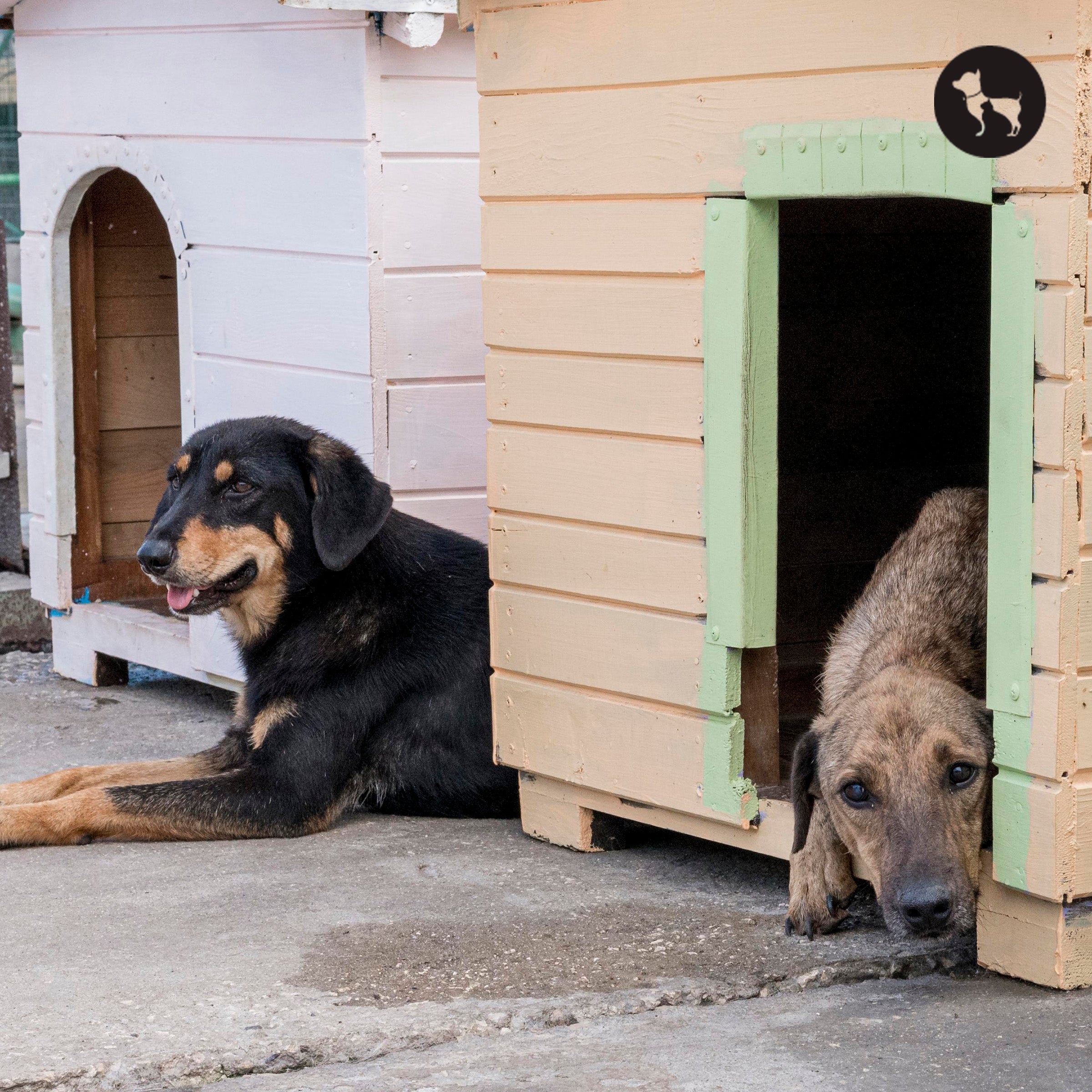
Leaving your dog behind while you travel is never easy. You’re not just looking for a place to house them, but you’re looking for a space where they’ll feel safe, comfortable, and cared for, even in your absence. With so many options claiming to be the “best,” choosing the right dog boarding can feel overwhelming.
If you’ve ever searched “dog boarding near me” and felt unsure which one to trust, this expert checklist will help you make a confident, informed decision, while also flagging red signals you should never ignore.
Why Choosing the Right Dog Boarding Matters?
Dogs rely heavily on routine, familiar surroundings, and consistent human interaction to feel secure. When a boarding facility lacks structure, supervision, and hygiene, it can quickly lead to stress-related behaviours, infections, digestive issues, or lasting anxiety.
A well-managed dog boarding facility, however, maintains daily routines, trained supervision, and safe social interaction, helping your dog stay comfortable and emotionally balanced while you are away. Knowing exactly what standards to look for before booking ensures your dog’s safety, health and peace of mind – and yours too.
Expert Checklist: What to Look for in a Dog Boarding Facility?
Choosing a dog boarding facility requires more than a quick online search or a good first impression. The quality of care, supervision, and daily routine has a direct impact on your dog’s comfort and safety. This checklist highlights the essential factors experts recommend reviewing before making a decision.
-
Clean, Secure, and Well-Ventilated Premises
A good boarding facility should look and feel clean the moment you walk in. Floors, sleeping areas, and play zones should be regularly sanitised, with no strong odours masked by artificial fragrances. Proper airflow and ventilation are essential to prevent the spread of infections, especially in India’s warmer climate.
Safety is equally important, with secure fencing, controlled entry points, and supervised movement between areas, ensuring dogs cannot escape or get injured.
-
Highly Professional and Trained Staff
The quality of dog boarding depends largely on the people managing it. Staff should be trained to understand the canine behaviour, stress signals, and basic first aid. Ask how many dogs each caregiver handles at a time, as overcrowding often leads to missed warning signs.
A lower dog-to-caregiver ratio ensures your dog receives individual attention, timely feeding, and quick intervention if they feel anxious or unwell.
-
Clear Health and Vaccination Policies
A responsible dog boarding facility will always insist on up-to-date vaccinations and regular flea and tick prevention. This protects your dog as well as others sharing the space.
Facilities should also have a clear protocol for handling illness, including temporary isolation and veterinary consultation if a dog shows signs of infection or distress.
-
A Daily Routine That Matches Your Dog’s Needs
Dogs feel most secure when their day follows a predictable routine. So, inform them about your dog’s schedule, and also ask them about feeding times, walk schedules, rest periods, and play sessions to ensure they align with your dog’s routine at home.
If your dog requires medication, a special diet, or limited activity due to age or health, confirm that the boarding facility can follow these instructions consistently.
-
Transparency and Ongoing Communication
Trust grows when communication is open. Good boarding facilities are happy to share updates about your dog’s meals, behaviour, and overall comfort during their stay.
While daily photos or videos may not be essential, knowing that you can reach the facility easily and receive honest updates offers reassurance throughout your time away.
-
Supervised Play and Safe Socialisation
Social interaction should always be supervised and planned thoughtfully. Well-run pet boarding centres group dogs based on size, temperament, and energy levels rather than allowing uncontrolled play.
There should also be quiet areas for dogs who prefer privacy or need downtime. Forced interaction or unsupervised group play can quickly lead to stress or injury.
-
Emergency Preparedness and Veterinary Access
Emergencies can happen anywhere, which is why preparation matters. Ask whether the facility has an on-call vet, access to a nearby clinic, and clear procedures for medical emergencies.
A reliable boarding centre will explain how they handle urgent situations and how quickly your dog can receive professional care if needed.
Red Flags You Should Never Ignore

Even if a place looks good online, watch out for these warning signs during your visit:
-
Reluctance to allow a facility tour
-
Overcrowded kennels or stressed dogs
-
Poor hygiene or strong odours
-
No vaccination requirements
-
Vague answers about routines or emergencies
-
Dogs left unattended for long periods
If something feels off, trust your instincts and continue your search.
How to Shortlist Dog Boarding Near You
When searching for dog day care, narrow down options by:
-
Reading verified reviews from local pet parents
-
Asking your vet or trainer for recommendations
-
Visiting the facility in person before booking
-
Doing a short trial stay, if possible
-
Location matters, but quality of care matters more
Leaving your dog in someone else’s care can feel unsettling to many pet parents. The right pet boarding facility respects your dog’s routine, comfort, and individuality, helping them feel secure even when you’re away. Small details, like familiar food, bedding, grooming essentials, and daily care routines, go a long way in reducing stress and maintaining continuity.
That’s where thoughtful preparation matters. At HUFT, pet parents can find everyday essentials that help recreate familiar routines, from meals and comfort items to grooming and care products – making transitions into boarding smoother and more reassuring for both dogs and their families!
Frequently Asked Questions
What should I pack for my dog before dog boarding?
Pack your dog’s regular food, medications (if any), bedding (if they do not sleep on any other), toys, and any grooming essentials they use daily. Familiar items help reduce anxiety and maintain routine while boarding.
Is pet boarding suitable for anxious or shy dogs?
Yes, but only if the facility offers individual care, quiet rest areas, and controlled socialisation. Always discuss your dog’s temperament in advance to ensure the right environment.
What vaccinations are required for dog boarding in India?
Most dog boarding facilities require updated rabies, DHPPi, and kennel cough vaccinations. Flea and tick prevention is also commonly mandatory for safety.
What happens if my dog falls sick while boarding?
Good boarding centres have isolation areas and access to veterinary care. They should contact you immediately and follow pre-approved medical instructions.