

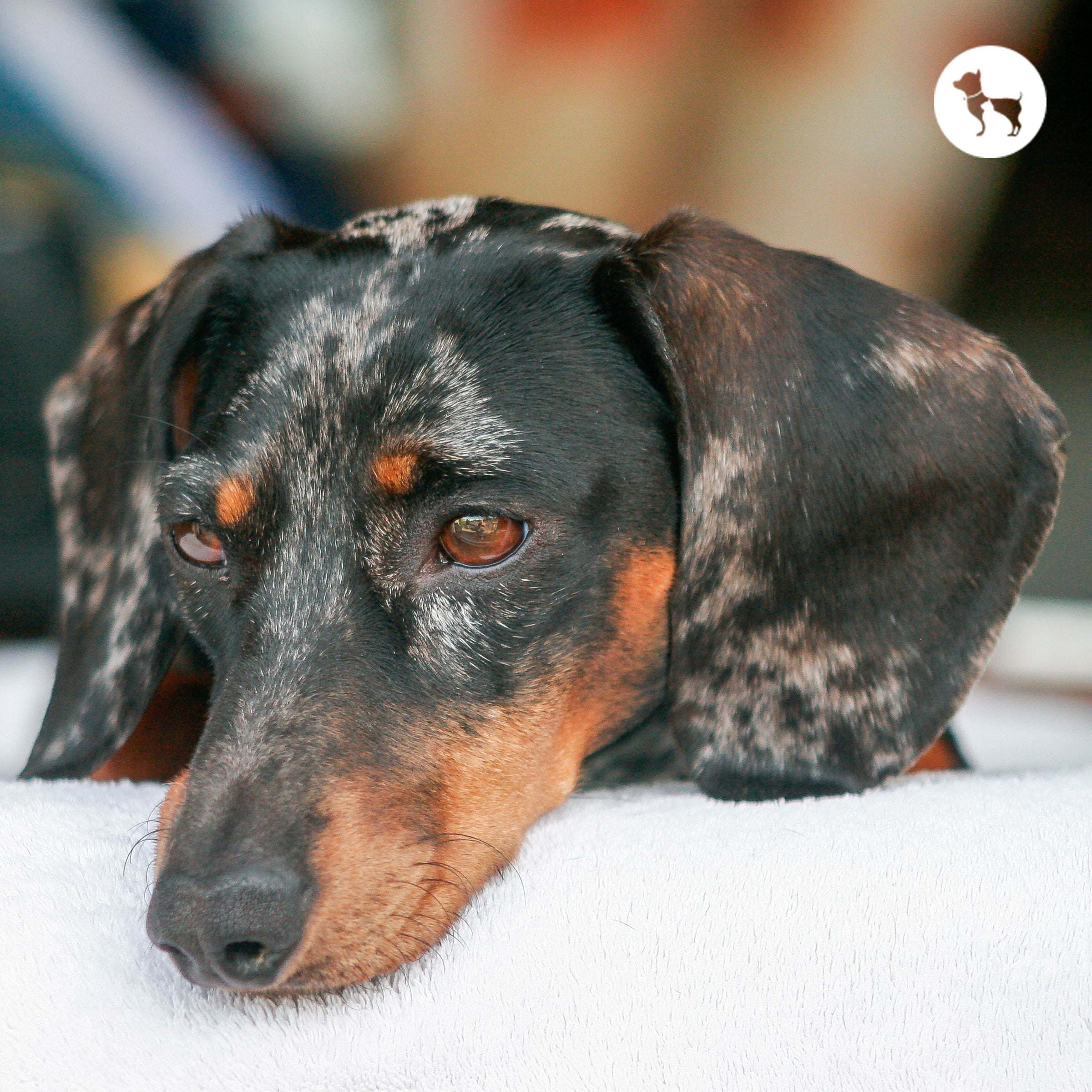
Dogs rely on their eyes and ears to navigate the world, communicate with their families, and stay aware of their surroundings. While most pet parents notice obvious issues like limping or digestive upset, changes in eye and ear health can be much easier to miss.
A little discharge in the corner of the eye or occasional ear scratching may not seem alarming at first. However, some symptoms can quickly develop into painful infections, vision problems, hearing loss, or chronic discomfort if left untreated.
Knowing what is normal, what requires monitoring, and what needs immediate veterinary attention can make a significant difference to your dog’s comfort and long-term health.
Here’s what every pet parent should know about keeping their dog’s eyes and ears healthy.
Understanding What Healthy Eyes and Ears Look Like
Before spotting a problem, it helps to know what healthy eyes and ears should look like.
A dog’s eyes should be:
-
Bright and clear
-
Free from excessive tearing
-
Without redness or swelling
-
Free from thick discharge
-
Comfortable and fully open
A small amount of clear discharge after sleeping is usually normal. Anything excessive or persistent deserves closer attention.
Healthy ears should be:
Different breeds have different ear structures, but healthy ears should never smell foul, appear irritated, or show signs commonly associated with an ear infection in dogs, such as redness, swelling, excessive wax buildup, or unusual discharge.
Common Eye Problems in Dogs

Eye issues can develop gradually or appear suddenly. Understanding the warning signs can help you act quickly.
Excessive Tearing
Some breeds naturally produce more tears than others. However, excessive tearing can indicate:
If tear staining becomes severe or your dog seems uncomfortable, a veterinary examination is recommended.
Red or Bloodshot Eyes
Redness often signals inflammation or irritation.
Possible causes include:
-
Allergies
-
Foreign objects
-
Eye injuries
-
Dry eye conditions
-
Infections
Persistent redness should never be ignored, especially if accompanied by squinting or discharge.
Eye Discharge
The type of discharge often provides clues about the underlying issue.
-
Clear discharge may suggest allergies or mild irritation.
-
Yellow or green discharge often indicates infection.
-
Thick mucus-like discharge may signal dry eye or other medical conditions.
Any abnormal discharge lasting more than a day or two should be assessed by a veterinarian.
Squinting or Keeping an Eye Closed
Dogs often squint when experiencing pain. This can occur due to:
-
Corneal scratches
-
Foreign particles
-
Glaucoma
-
Eye trauma
Eye pain can worsen rapidly, making prompt veterinary care essential.
Cloudy Eyes
A cloudy appearance can develop with age but may also indicate:
-
Cataracts
-
Corneal disease
-
Glaucoma
-
Lens abnormalities
Common Ear Problems in Dogs

Ear conditions are among the most frequent reasons dogs visit the vet. Many begin as minor irritation before progressing into more serious infections.
Ear Infections
Bacterial and yeast infections are common, particularly in dogs with floppy ears.
Signs include:
-
Frequent scratching
-
Head shaking
-
Unpleasant odour
-
Redness inside the ear
-
Dark discharge
Without treatment, infections can become painful and recurrent.
Ear Mites
Ear mites are tiny parasites that commonly affect puppies and dogs exposed to infected animals.
Typical signs include:
Treatment is straightforward when diagnosed early.
Allergies Affecting the Ears
Food and environmental allergies often show up in the ears before other symptoms appear.
Watch for:
-
Repeated ear infections
-
Chronic itching
-
Red or inflamed ears
-
Excessive wax production
Managing the underlying allergy is often necessary to prevent recurring problems.
Foreign Objects
Grass seeds, dirt, and small plant material can become trapped inside the ear canal.
This may cause:
-
Sudden head shaking
-
Pawing at the ear
-
Pain when touched
-
Tilting of the head
Attempting to remove deep objects at home can cause further injury, so veterinary assistance is recommended.
Signs That Require Immediate Veterinary Attention
Some symptoms should never be monitored at home for extended periods.
Contact your veterinarian promptly if your dog experiences:
Quick treatment can often prevent long-term complications.
How to Check Your Dog’s Eyes and Ears at Home
A simple weekly health check can help you identify concerns before they become serious.
Eye Check Routine
Look for:
-
Changes in eye colour
-
Redness
-
Swelling
-
Excessive discharge
-
Unequal pupil size
-
Signs of discomfort
Observe your dog’s behaviour as well. Bumping into furniture or hesitating in familiar spaces may indicate vision problems.
Ear Check Routine
Gently lift the ear flap and inspect the ear canal.
Check for:
-
Unusual odour
-
Excessive wax
-
Redness
-
Swelling
-
Discharge
-
Signs of irritation
Regular checks help you notice subtle changes early.
Preventing Eye and Ear Problems
Many eye and ear issues in dogs can be avoided with consistent care and a little attention to detail. Simple habits such as regular cleaning, grooming, and routine health checks can go a long way in keeping your dog’s eyes bright, ears healthy, and discomfort at bay.
Keep the Eye Area Clean
Dogs with long facial hair, flat faces, or skin folds around the eyes are more likely to collect dirt, moisture, and debris in this area. Regular cleaning helps prevent irritation and reduces the risk of infections. Besides, there various eye drops for dogs, which you can get after consulting a veterinarian.
Here are some ways to prevent eye infections in dogs:
-
Gently wipe away dirt and discharge that may collect around the eyes.
-
Remove tear stains regularly to prevent moisture buildup on the skin.
-
Check for debris, dust, or hair that could irritate the eyes.
-
Use only pet-safe eye wipes or cleaning products recommended by your veterinarian.
-
Avoid using human eye products unless specifically advised by a vet.
Maintain Ear Hygiene
Clean ears are less likely to develop wax buildup, unpleasant odours, or infections. However, ear cleaning should be done carefully and only as often as needed.
-
Inspect your dog’s ears regularly for redness, discharge, or unusual smells.
-
Clean the ears using a veterinarian-approved ear cleaner.
-
Wipe away excess wax and dirt before it accumulates.
-
Avoid inserting cotton buds or sharp objects into the ear canal.
-
Follow a cleaning schedule suited to your dog’s breed, lifestyle, and ear type.
Groom Hair Around the Face and Ears
Excess hair around the eyes and ears can trap moisture and create an environment where bacteria and yeast thrive. Keeping these areas well-groomed helps improve comfort and hygiene.
-
Trim long hair around the eyes to reduce irritation and improve visibility.
-
Remove excess hair around the ears if recommended for your dog’s breed.
-
Prevent dirt, moisture, and debris from becoming trapped in dense fur.
-
Schedule regular grooming sessions to maintain cleanliness and airflow.
Manage Allergies Early
Allergies are a common cause of recurring ear infections and eye irritation in dogs. Addressing allergy symptoms early can help prevent ongoing discomfort and repeated health issues.
-
Watch for signs such as itchy skin, watery eyes, frequent scratching, or ear inflammation.
-
Monitor recurring ear infections, as they can often indicate an underlying allergy.
-
Discuss possible food or environmental triggers with your veterinarian.
-
Follow a management plan to reduce flare-ups and keep symptoms under control.
Schedule Regular Health Checks
Routine veterinary visits are one of the best ways to detect problems before they become serious. Many eye and ear conditions respond better when treated early.
-
Include eye and ear examinations as part of your dog’s regular wellness check-ups.
-
Seek veterinary advice if you notice changes in vision, hearing, or behaviour.
-
Address minor symptoms before they develop into chronic conditions.
-
Follow preventive care recommendations based on your dog’s age, breed, and medical history.
A few minutes of preventive care each week can make a significant difference to your dog’s comfort and overall well-being, helping them avoid many common eye and ear problems.
Breeds That May Need Extra Eye and Ear Care
Certain breeds are naturally more prone to eye or ear concerns. Dogs that may require additional monitoring include:
Your dog’s eyes and ears can reveal a lot about their overall health. Regular checks, prompt attention to unusual symptoms, and preventive care can help catch issues before they become serious. By staying observant and acting early, you can help keep your dog comfortable, confident, and healthy throughout every stage of life.
For everyday eye and ear care essentials, grooming products, and wellness solutions, explore Heads Up For Tails online or visit your nearest HUFT store. Our carefully selected range is designed to support your pet’s health while making routine care simpler for pet parents.
Frequently Asked Questions
Is brown ear wax normal in dogs?
A small amount of light brown wax can be normal. Excessive wax, foul odour, redness, or itching may indicate an infection or another underlying issue.
Why are my dog’s eyes watering so much?
Excessive tearing can result from allergies, irritants, blocked tear ducts, or eye infections. If the problem persists, consult your veterinarian.
Can dog ear infections heal on their own?
Most ear infections require veterinary treatment. Delaying care can allow the infection to worsen and potentially affect deeper structures of the ear.
What causes red eyes in dogs?
Red eyes can be caused by allergies, infections, injuries, dry eye, or foreign objects. Persistent redness should always be evaluated by a veterinarian.